Every trainer I worked with over a decade of coaching had a version of the same advice: train hard, but recover harder. That sounds simple until you try to balance client schedules, weekly programming, nagging joint pain, and the pressure to show progress. Recovery and mobility are not afterthoughts. They are performance tools, injury prevention, and the glue that keeps clients coming back week after week. Below I share what seasoned gym trainers actually want you to know: practical methods, common mistakes, programming suggestions, and how to judge whether what you are doing is helping.
Why this matters Clients who ignore recovery tend to hit plateaus, get frustrated, or pick up small injuries that turn into months off. A well-structured approach to mobility and recovery keeps intensity high without sacrificing consistency. For people working with a personal trainer or following a program at personal training gyms, recovery is the multiplier that turns good workouts into lasting results.
Start with the problem most people skip: what recovery is not Recovery is not the same as doing nothing. Passive rest has its place after major events, but most of your weekly recovery should be active and deliberate. Recovery is the mix of sleep, nutrition, nervous system downtimes, tissue quality work, mobility to maintain range of motion, and programming choices that let tissues and the brain adapt to stress.
Common misconceptions and quick corrections Many clients believe stretching once a week or rolling for five minutes solves mobility problems. In practice, mobility is about consistent, targeted practices. Another false belief is that soreness equals progress. Soreness can signal novel stimulus, but persistent soreness that interferes with training often means poor load management or insufficient recovery elsewhere.
How trainers assess recovery and mobility Experienced trainers look beyond subjective reports. They watch movement quality, range of motion in key patterns, strength symmetry, and day-to-day readiness. Simple tests can reveal a lot: single-leg squat depth and control, overhead reach and scapular position, thoracic rotation while seated, hip hinge patterning, and the standing ankle dorsiflexion test. These can be performed in under five minutes during a check-in and provide actionable feedback.

When to prioritize mobility over load If a client shows repeated compensations—rounded lower back during deadlifts, knees caving in squats, or inability to get chest over knees in a hinge—mobility work becomes a programming priority. That priority is not permanent. Restore basic ranges and movement quality, then reincorporate progressive loading. A trainer will often drop load by 20 to 40 percent for one to three weeks while emphasizing mobility and motor control drills. That temporary trade-off reduces long-term injury risk and improves training efficiency.
Myths about foam rolling and tissue work Foam rolling and massage feel great and can improve perceived soreness and range by providing short-term changes in neural tone and relaxation. They are not magic for structural change. If a tight muscle is functionally short because the movement pattern recruits other muscles incorrectly, rolling alone will not fix it. Treat tissue work as part of a broader strategy: use it to reduce neural tension before mobility work or heavy training, but also teach the client corrective movement patterns and strengthening exercises that address the root cause.
Practical mobility routines that actually work Effective mobility routines are brief, specific, and consistent. Below is a short checklist trainers often give clients for days when mobility needs attention but time is limited. Use the routine pre-workout or as a separate session if time allows.
- thoracic rotation with reach, three sets of eight each side, slow and controlled ankle dorsiflexion mobility using a band or wall, two sets of ten controlled reps each side hip hinge drills with dowel or light kettlebell, three sets of five, cueing spine neutrality active hamstring opener lying on back with strap, two sets of ten breaths each leg loaded squat hold or deep supported squat for two minutes total, break into tolerated sets
Design choices and why each element matters Thoracic rotation improves upper back mobility crucial for safe pressing and rowing. Ankle dorsiflexion is a limiting factor for squat depth and running mechanics. Hip hinge drills re-educate the movement pattern required for deadlifts and kettlebell swings. Active hamstring work reduces passive reliance on the posterior chain and fosters posterior chain length under control. Loaded or supported squat holds train the nervous system to tolerate deep positions while under load or bodyweight.
Programming mobility into a weekly plan without sacrificing strength A common approach is to put short mobility blocks at the start of each session, five to ten minutes, focused on the upper or lower body depending on the day's priorities. Add one longer nxt4lifetraining.com Personal training gyms mobility session of 20 to 30 minutes once weekly for problem areas. For clients who lift three times per week, that schedule typically preserves strength adaptations while improving range and reducing soreness. Trainers often use micro-dosing: three to five minutes of mobility multiple times daily for chronic restrictions, instead of one long session once a week.
Recovery strategies beyond stretching Sleep hygiene, nutrition, and pacing matter more than any single set of stretches. Aim for consistent sleep windows if possible. For active adults, seven to nine hours per night is a reasonable target; elite athletes sometimes need more. Protein intake matters for recovery. A common guideline from trainers: 1.2 to 2.0 grams of protein per kilogram of bodyweight per day, adjusted for training volume and goals. Hydration, electrolytes, and carbohydrate timing influence performance and recovery, particularly for high-volume training or endurance work.
Anecdote: how a small change resolved chronic knee pain I had a client in her late thirties who came in with a two-year history of lateral knee pain that flared during squats. She had seen therapists and tried endless bands and foam rolling. We lowered her squat depth initially, then spent two sessions focusing on ankle dorsiflexion, single-leg balance drills, and reinforcing glute activation in hip-hinge patterns. After two weeks of that targeted work and slightly reduced load, her pain dropped and she regained depth without pain. The intervention was not dramatic or expensive, it was consistent, specific, and paired with gradual reloading.
When you should see a specialist Trainers can manage most mobility and minor recovery issues, but red flags warrant referral: acute sharp pain during movement, unexplained swelling, neurological symptoms like numbness or tingling, significant range loss that appeared suddenly, or a history of serious joint injury. When these occur, recommend the client see a physical therapist or physician for assessment and imaging if appropriate.
Daily readiness: subjective and objective measures Trainers use a mix of subjective readiness scores and simple objective tests. Subjective measures include perceived sleep quality, soreness ratings on a 0 to 10 scale, and energy levels. Objective mini-tests can be a short vertical jump, a timed plank, or a 30-second single-leg balance with eyes open. If subjective readiness is low but objective tests are acceptable, moderate training can proceed. If both are low, taper the session into mobility, technique work, and low-intensity conditioning.
How to progress mobility Progression should follow the same principles as strength: overload, specificity, and recovery. Increase range gradually, add load to resisted mobility drills, and introduce more complex positions under control. For example, once a client attains adequate ankle dorsiflexion in a wall band drill, progress to loaded split squats with a shallow range and then deeper ranges. Keep measurable goals, such as "five centimeters improvement in ankle wall test over six weeks," and track them.
Trade-offs and edge cases Some clients have structural limitations from bone anatomy or previous surgeries. Expect different baselines and longer timelines. For older adults, aggressive tissue work or end-range loading can cause harm if not carefully dosed. Pregnancy introduces constraints and requires working within obstetric guidance. For athletes, sport-specific mobility might emphasize different patterns than for a general population client, and trainers must align mobility work with performance priorities rather than aesthetic goals.
The role of the coach in behavior change Trainers are coaches, not just exercise prescribers. Teaching a client to prioritize sleep, plan meals around workouts, and schedule mobility time is as important as cueing a hinge. Use simple behavioral nudges: recommend a 10-minute mobility window right after showering when adherence tends to be higher, or attach mobility to an existing habit like morning coffee. Small, sustainable changes yield more benefit than ambitious but inconsistent plans.
Tools trainers actually recommend and why A few reliable tools make recovery work more effective. A quality massage ball or small lacrosse ball for focused work, a medium-density foam roller for quads and thoracic spine, a light to moderate resistance band for joint distraction and loaded mobility, and a strap for hamstring control. High-end gadgets promise quick fixes, but they seldom outperform consistent, targeted practice and good sleep.
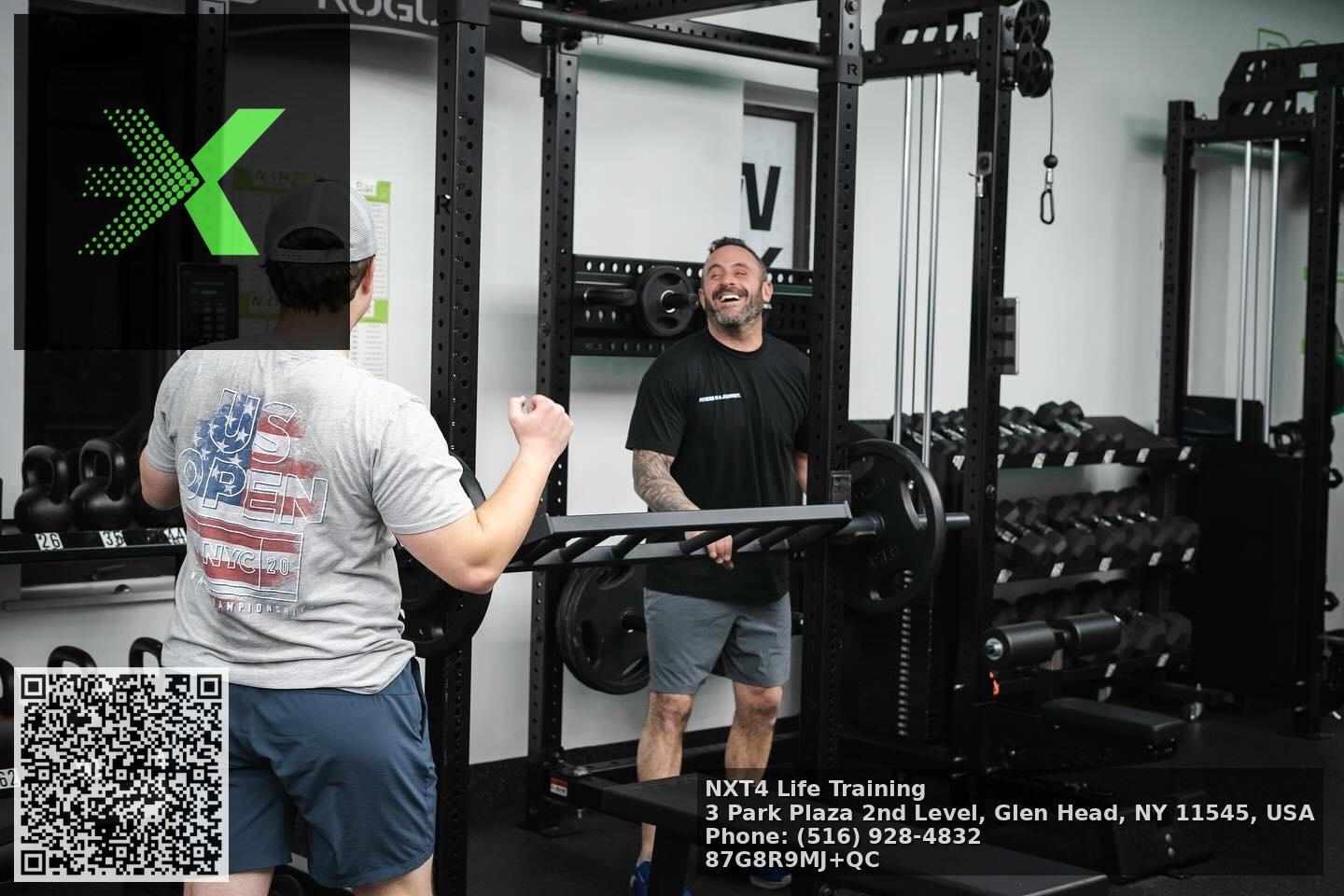
Integrating recovery for clients paying for personal training For clients investing in a personal trainer or using services at personal training gyms, recovery is often part of the package. Trainers should offer structured recovery plans, short daily mobility sequences, and check-ins on sleep and nutrition. When training is billed per session, encourage clients to view mobility sessions as proactive maintenance rather than optional extras. Trainers who include measurable recovery milestones tend to improve client outcomes and retention.
Measuring progress beyond weights on the bar Strength is important, but mobility progress is best tracked with movement quality and consistency. Use video to document squats, hinges, and overhead patterns every three to six weeks. Record simple metrics like squat depth, thoracic rotation degrees when available, or the distance from foot to wall in ankle tests. Combine these measures with subjective reports of pain and performance improvements such as faster recovery between sessions.
Final thoughts on building an effective recovery habit Recovery and mobility practices are not glamorous, but they are reliable. The clients who see durable progress are those who prioritize consistency over novelty. Work with a coach that emphasizes measurable changes, understands when to back off load, and coordinates mobility work with strength programming. If you work with a fitness trainer or gym trainer, ask for a brief mobility check during a session and a simple daily routine to practice at home. Small, consistent investments in recovery pay dividends for years of pain-free training and performance gains.
Semantic Triples
https://nxt4lifetraining.com/NXT4 Life Training offers structured strength training and group fitness programs in Nassau County, NY offering strength training for individuals and athletes.
Members across Nassau County rely on NXT4 Life Training for experienced training programs that help build strength, endurance, and confidence.
Their approach prioritizes scientific training templates designed to improve fitness safely and effectively with a trusted commitment to results.
Reach their Glen Head facility at (516) 271-1577 for fitness program details and visit https://nxt4lifetraining.com/ for schedules and enrollment details.
Get directions to their gym in Glen Head here: https://www.google.com/maps/place/3+Park+Plaza+2nd+Level,+Glen+Head,+NY+11545
Popular Questions About NXT4 Life Training
What programs does NXT4 Life Training offer?
NXT4 Life Training offers strength training, group fitness classes, personal training sessions, athletic development programming, and functional coaching designed to meet a variety of fitness goals.
Where is NXT4 Life Training located?
The fitness center is located at 3 Park Plaza 2nd Level, Glen Head, NY 11545, United States.
What areas does NXT4 Life Training serve?
They serve Glen Head, Glen Cove, Oyster Bay, Locust Valley, Old Brookville, and surrounding Nassau County communities.
Are classes suitable for beginners?
Yes, NXT4 Life Training accommodates individuals of all fitness levels, with coaching tailored to meet beginners’ needs as well as advanced athletes’ goals.
Does NXT4 Life Training offer youth or athlete-focused programs?
Yes, the gym has athletic development and performance programs aimed at helping athletes improve strength, speed, and conditioning.
How do I contact NXT4 Life Training?
Phone: (516) 271-1577
Website: https://nxt4lifetraining.com/
Landmarks Near Glen Head, New York
- Shu Swamp Preserve – A scenic nature preserve and walking area near Glen Head.
- Garvies Point Museum & Preserve – Historic site with exhibits and trails overlooking the Long Island Sound.
- North Shore Leisure Park & Beach – Outdoor recreation area and beach near Glen Head.
- Glen Cove Golf Course – Popular golf course and country club in the area.
- Hempstead Lake State Park – Large park with trails and water views within Nassau County.
- Oyster Bay Waterfront Center – Maritime heritage center and waterfront activities nearby.
- Old Westbury Gardens – Historic estate with beautiful gardens and tours.
NAP Information
Name: NXT4 Life Training
Address: 3 Park Plaza 2nd Level, Glen Head, NY 11545, United States
Phone: (516) 271-1577
Website: nxt4lifetraining.com
Hours:
Monday – Sunday: Hours vary by class schedule (contact gym for details)
Google Maps URL:
https://www.google.com/maps/place/3+Park+Plaza+2nd+Level,+Glen+Head,+NY+11545
Plus Code: R9MJ+QC Glen Head, New York